



Here is a practical home emergency kit based on NDMA and other Indian government guidance. The basic idea is that your household may have to manage for the first few days without outside help, electricity, water or communication services. Most guides suggest stocking for at least 3 days, and ideally a week.
Introduction
Water and food
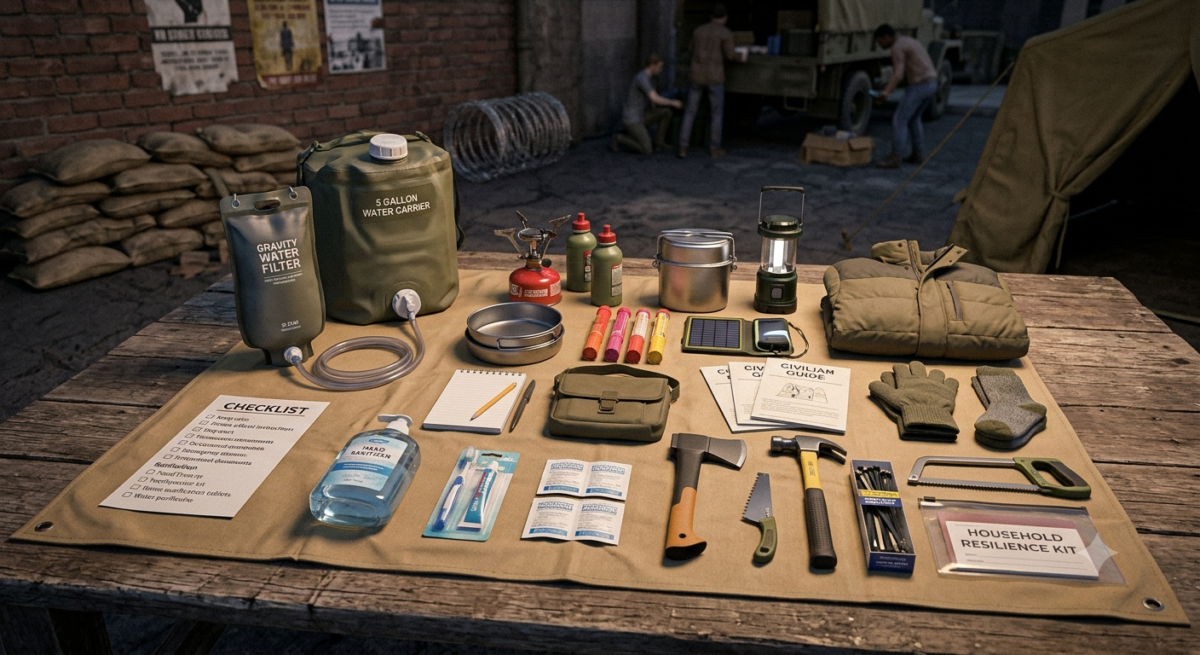
- Drinking water. The usual rule is about 3-4 litres per person per day, and you should check bottles for expiry or storage condition now and then.
- Non-perishable, ready-to-eat food: biscuits, dry fruits, roasted chana, instant mixes, canned or packed food, baby food if needed.
- A manual can opener, plus basic utensils and a small stove or gas supply if possible.
Health
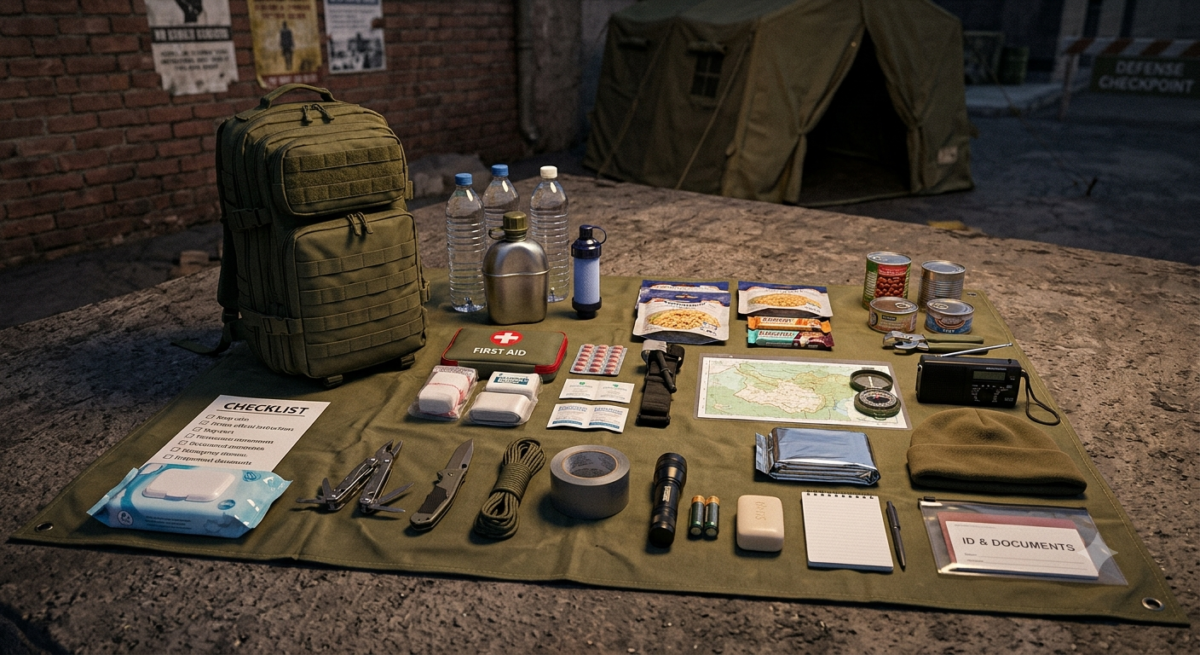
- A first-aid kit with bandages, gauze, medical tape, antiseptic and basic medicines.
- Prescription medicines. Keep at least a week’s supply of regular medicines, with a written list of what each person takes.
- Masks, sanitizer, soap, sanitary pads, and basic hygiene items.
Documents and cash Photocopies or secure digital copies of ID, medical information, and insurance papers, kept in a waterproof folder. Aadhaar, PAN, and property and bank papers are worth including. navbharatlive Cash in small notes, because ATMs and UPI may not work. A written list of emergency contacts, including an out-of-state contact, a local contact, your nearest relative, and your family doctor.
— Olivia Rhye, Product Designer
Light, power, and communication
- A flashlight and spare batteries, rather than relying on your phone’s torch.
- Fully charged power banks (ideally two), charging cables, and adapters.
- A battery-powered or hand-crank radio, since mobile networks can fail.
- A whistle to signal for help.
Extra
- Blankets or warm clothing, a change of clothes for each person, and sturdy footwear.
- A multi-tool or knife, a rope, a plastic sheet, matches or a lighter in a waterproof bag, and garbage bags.
- Items for babies, elderly family members, or pets (diapers, formula, spectacles, hearing-aid batteries, pet food).
- A printed local map and the location of your nearest shelter or hospital.
Plan beyond the kit
- In India, call 112 for national emergencies. Police is 100, fire is 101, and ambulance is 102. mohfw
- Make a household emergency plan, decide on two meeting places, and learn basic first aid and CPR.
- Keep a smaller grab-and-go bag by the door in case you need to evacuate.
- Know how to switch off your gas, water, and electricity mains.
Conclusion
For official information, check ndma.gov.in and your state disaster management authority’s alerts. If you tell me whether you’re thinking of a specific risk, such as earthquake, flood, heatwave, or a prolonged power or supply disruption, I can tailor the list. I can also make it a printable checklist.